
The All-New Genesis of Cool Springs Luxury Facility Coming 2027
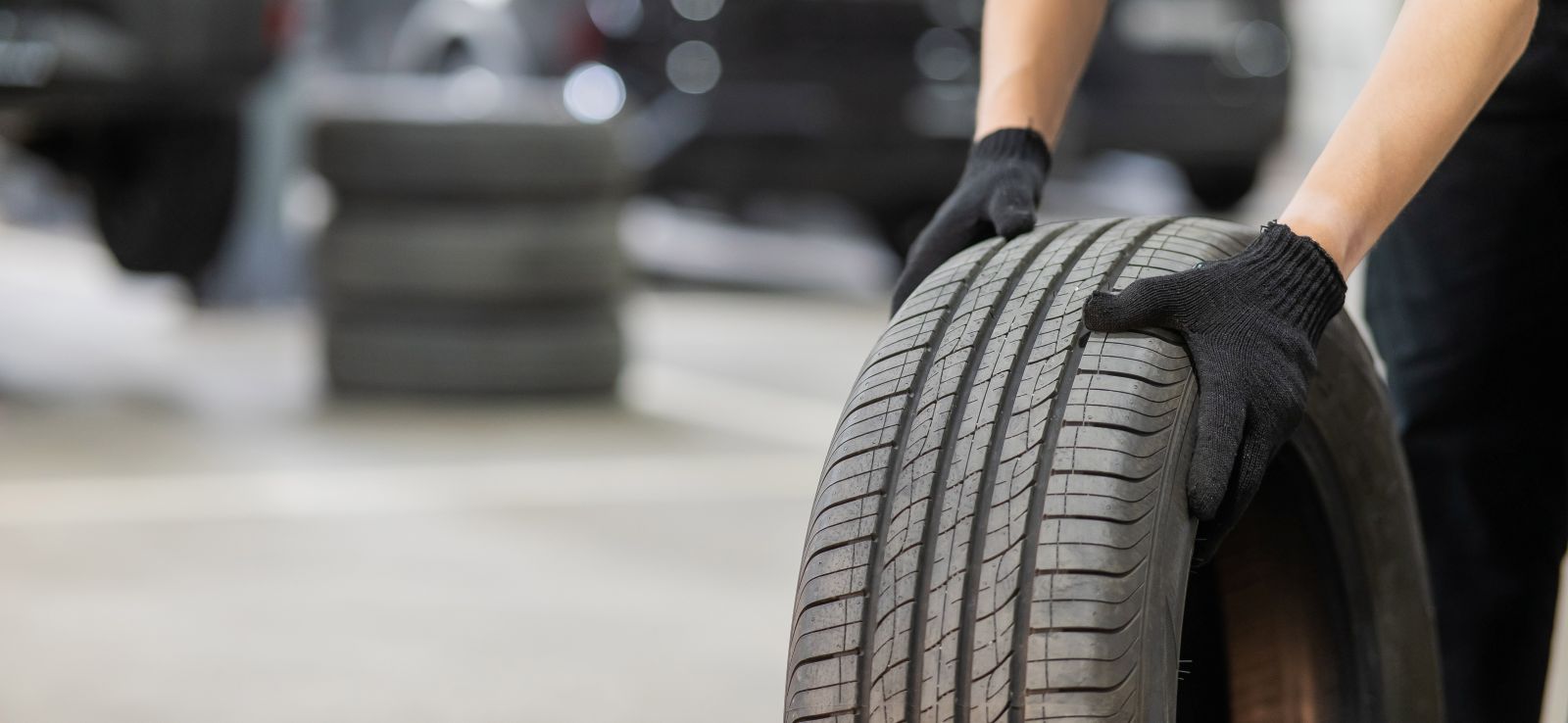
It's 31 degrees on a January morning in Franklin, and the low tire pressure light is on in your Genesis. The tires looked fine yesterday afternoon, so you wonder whether you picked up a nail overnight or whether the cold did this by itself.
The average July afternoon in Franklin is about 91 degrees and the average January morning is about 29, and the pressure in Genesis tires follows the temperature all the way down. That 62-degree gap is worth about 6 psi, which is why the light can show up on the first cold mornings of the season.
A Genesis needs its tires rotated at every regular service, every 6,000 to 8,000 miles or 12 months on a gas model, and its pressure checked monthly when cold. A low tire pressure light means a tire is well below its recommended pressure, and tread worn to 1/16 inch is the point to replace a tire.
The light means at least one tire is well below its recommended pressure, and a cold morning can cause it by itself. If the tires were filled in warm weather, the pressure drops as the temperature does, and the light can come on even though nothing is wrong with the tires or the sensors.
The car shows which tire is low, and the instrument cluster shows each tire's pressure after a few minutes of driving. Those readings can differ from a gauge, and a low tire can look normal, so check with a gauge when the tires are cold, meaning the car has sat for at least three hours. Fill each tire to the pressure on the tire information label in the driver's door jamb. The number on the tire's sidewall is its maximum limit.
Low pressure is worth fixing the same day. A tire driven well under pressure overheats, handles worse, and takes longer to stop, and a tire that won't hold the new air needs an inspection. Check the pressure again whenever the seasons change.
At every regular service, which comes up every 6,000 to 8,000 miles or 12 months on a gas model, depending on the model. The Electrified G80's schedule calls for a rotation every 5,000 miles or 12 months.
Rotation evens out wear, because the front and rear tires don't wear at the same rate. It's also the moment to check the balance, and the brake pads get inspected whenever the wheels come off.
Some Genesis models run wider tires on the rear. Those tires can't be rotated front to back, so the pattern is different, and your technician follows the one for your wheel setup.
Look for the wear bars, the narrow bands of smooth rubber that show across the tread when it's down to 1/16 inch. When they appear, the tire is done.
Damage can't wait for the wear bars. A bulge or bubble in the sidewall, a cut that exposes cord or fabric, or a crack in the sidewall means replacement, because sidewall damage can't be repaired.
Tires also age whether or not they're worn. After 5 years, have them inspected every year, and plan on replacing them at 10 years no matter how much tread is left.
You can schedule a Genesis of Cool Springs tire service online, and our Genesis-certified technicians handle rotations, alignments, inspections, balancing, and replacement, using factory-approved equipment and genuine Genesis tires matched to your model.
The tires that come on a new Genesis carry the tire maker's warranty. If you need help with a claim, ask our service team. For original owners of a new Genesis, the tire rotation is part of the free maintenance at each scheduled interval for the first 3 years or 36,000 miles.
Genesis Service Valet covers qualifying appointments, tire service included, with pickup and a Genesis loaner for owners who bought or leased new from us, from Franklin, Brentwood, Smyrna, Murfreesboro, or the surrounding area.
A bulge in the sidewall, or a tire that won't hold air, means stop driving on that tire. The rest of the table is a reason to schedule soon.
| What you notice | What it can suggest | Best next step |
|---|---|---|
| The tire pressure light came on during a cold snap | The temperature dropped and took the pressure with it, which can happen without a leak | Check each tire with a gauge when it's cold and fill to the pressure on the door jamb label |
| The light stays on after you've set the pressure, or it blinks and then stays lit | A tire that is losing air, or a problem with a pressure sensor | Schedule a tire inspection so the tires and the sensors can both be checked |
| The steering wheel shakes at highway speed, or you feel the vibration in the seat | The steering wheel points to a front tire that is out of balance or damaged, and the seat points to the rear | Schedule an inspection and a balance check |
| The car pulls to one side and the tread is wearing unevenly | The alignment is off, and the pull and the wear are one connected problem | Schedule an alignment check, since a rotation moves the wear without fixing the cause |
| The tread is worn in the center, along both outer edges, down one side, or in scooped patches | Center wear points to too much air and both edges to too little, while one side or feathered edges point to alignment and scooped patches to worn suspension or balance | Set the pressure to the label and schedule an inspection of the tires, alignment, and suspension |
| A bulge, bubble, cut, or crack in the sidewall | The tire's structure is damaged, and sidewall damage can't be repaired | Stop driving on that tire and have it replaced, with roadside assistance available if you need a hand getting it changed |