
The All-New Genesis of Cool Springs Luxury Facility Coming 2027
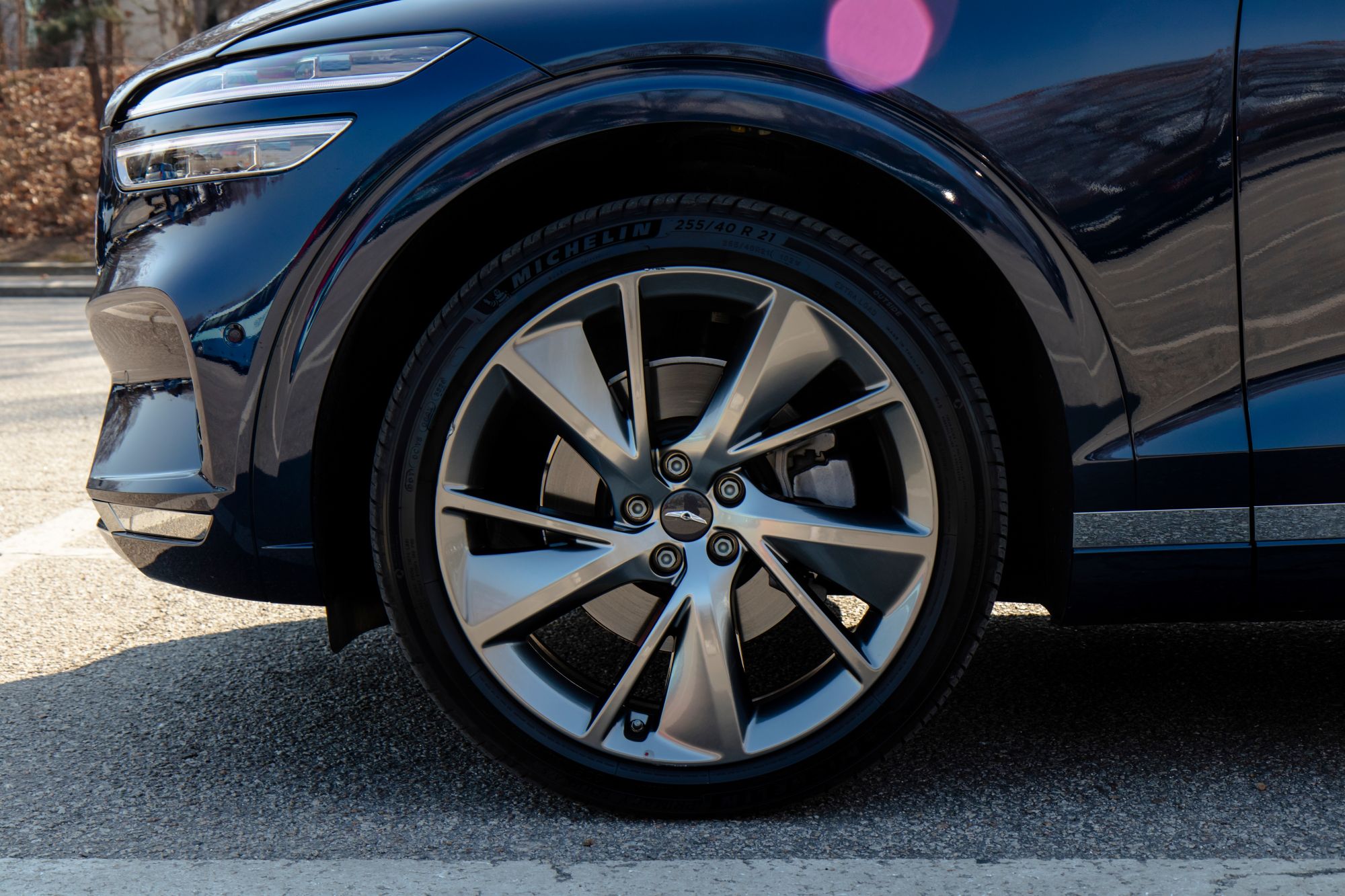
The squeal shows up on the first gentle stop in the school pickup line and is gone by the third car. Two days later it's back on the drive to work, a little louder, and you start to wonder whether your Genesis brake pads are wearing out or whether this is what brakes do on a damp morning.
Short hops and stop-and-go driving wear pads steadily, and the squeal is usually the first sign. What you want to know is whether you can wait for your next service, or whether waiting turns a pad replacement into a rotor replacement.
Your Genesis needs brake service when the pads wear down, which shows up as a high-pitched squeal on stop after stop. Grinding, a soft pedal, or a brake fluid light that stays on means stop driving and call. Your brakes are inspected at every regular service, so worn pads get flagged early.
A high-pitched squeal is the pad wear indicator, and it can sound on and off, or every time you press the pedal, from the front brakes or the rear. Grinding or scraping means the pads are worn through and metal is hitting the rotor.
A light squeal on the first gentle stops can happen in some weather and some driving conditions, and it doesn't mean anything is wrong. A squeal on stop after stop points to the wear indicator, so the pads are due.
Pads are replaced in sets, both sides of the front or rear axle at once, so one worn pad means two new ones. Driving on worn pads damages the rotors and the rest of the braking system, which turns a pad replacement into a bigger repair.
There's no set mileage for replacing pads, because wear depends on how you drive. Heavy braking and stop-and-go traffic wear them faster, and a mostly stop-and-go commute on I-65 toward Nashville, about 21 miles each way, is one example.
At every regular service, which comes up every 6,000 to 8,000 miles or 12 months on a Genesis with a gas engine, depending on the model. That's the same visit as your oil change, and the pads, rotors, calipers, and brake lines and hoses are inspected each time.
Brake fluid and the parking brake get their own check at least every two years. Brake fluid absorbs moisture from the air over time, and moisture lowers the temperature at which the fluid boils, so that check follows the calendar as well as the odometer.
You can schedule a Genesis of Cool Springs brake service online, and our factory-trained technicians inspect the pads, rotors, calipers, and brake fluid to catch wear before it turns into a larger repair. When pads are worn, they're replaced with genuine Genesis parts, and the rotors are checked at the same visit.
With Genesis Service Valet, which comes complimentary for three years when you buy or lease a new Genesis from us, we collect the car for qualifying appointments, brake service included, from your home, office, or another location in Franklin, Brentwood, Smyrna, Murfreesboro, or the surrounding area. You drive a Genesis loaner until it's back.
Grinding, a soft pedal, and a brake fluid light that stays on can't wait.
| What you notice | What it can suggest | Best next step |
|---|---|---|
| A high-pitched squeal that comes and goes or happens on every stop | The pad wear indicator is sounding, which means the pads are worn and due for replacement | Schedule brake service soon, before the sound turns into grinding |
| A light squeal on the first gentle stops that goes away | Some weather and driving conditions cause this, and it doesn't point to a problem | Nothing to do unless the squeal returns on stop after stop |
| Grinding or a rough scraping when you brake | The pads are worn through and metal is hitting the rotor, which damages the rotor | Schedule service right away, and call us before you drive if the car doesn't stop the way it did |
| The pedal or the steering wheel pulses when you brake | The rotor surface is uneven, which is a different problem from worn pads | Schedule an inspection so the rotors can be checked |
| The car pulls to one side when you brake | The brakes on one side are working harder than the other, usually from uneven pad wear | Schedule an inspection of the pads and calipers |
| The pedal feels soft or sinks, or the Parking Brake & Brake Fluid light stays on after you release the parking brake | Low brake fluid or a leak, which can mean only part of the brake system is working | Pull over where it's safe and stop. If you find a leak, the light stays on, or the brakes don't work properly, don't drive the car, and call roadside assistance or our service team. If the electronic parking brake won't release, the car needs to be towed on a flatbed |
| The ABS light stays on while you drive | The anti-lock system needs an inspection | Schedule a visit promptly, especially if the ABS and Parking Brake lights are on together |